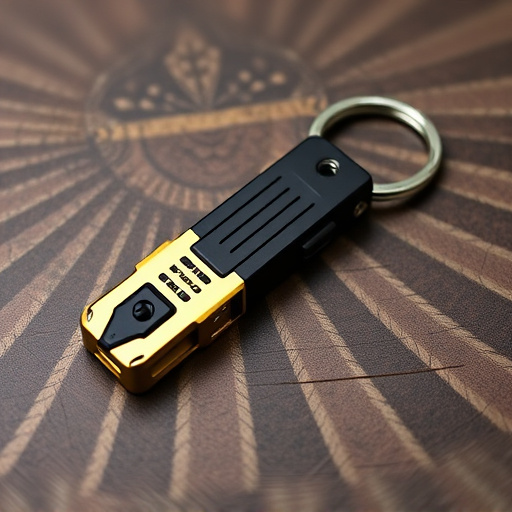
The Proper Keychain Striking Form Technique is key to effectively using compact keychain defense tools, which require mastering stance, grip, and swinging motion for powerful, precise strikes. Regular training enhances muscle memory for instinctive reactions. Material selection, including stainless steel and aluminum alloys, impacts durability and task-specific functionality. Innovative designs integrate multiple functions into a streamlined profile, emphasizing user-friendliness. Rigorous testing and iterative refinements ensure optimal performance, safety, and reliability.
In today’s world, a compact keychain defense tool can be a valuable asset for personal safety. This article explores the design considerations behind creating an effective and ergonomic defense tool, focusing on proper keychain striking form technique. We’ll delve into essential aspects like ergonomics, material selection, space utilization, and rigorous testing to ensure optimal performance. By understanding these basics, you’ll be equipped to choose or develop a reliable self-defense solution.
- Understanding Keychain Defense Tool Basics
- Ergonomics & Comfort for Efficient Striking
- Material Selection for Durable Design
- Compact Features: Maximizing Space Utilization
- Testing & Refining for Optimal Performance
Understanding Keychain Defense Tool Basics
A compact keychain defense tool is a multi-purpose device designed for personal safety, offering users a discreet yet powerful self-defense option that fits comfortably on their keys. Understanding the basics of its operation involves grasping the fundamental principles behind effective striking and the proper form technique.
The key to mastering a keychain defense tool lies in practicing the right stance, grip, and swinging motion. Users should aim for sensitive target areas like the eyes, nose, or throat, where even a small impact can cause significant harm. The proper striking form ensures that each swing carries maximum force, increasing the likelihood of incapacitating an attacker quickly. This technique requires regular training to develop muscle memory, enabling users to respond instinctively in high-stress situations.
Ergonomics & Comfort for Efficient Striking
A well-designed compact keychain defense tool should prioritize ergonomics and comfort for efficient striking, ensuring that it fits comfortably in your hand and allows for precise control during use. The proper keychain striking form technique involves a smooth, fluid motion that leverages your entire arm, not just your wrist, to generate power. This reduces strain on your hand and increases the effectiveness of each strike.
By focusing on these aspects, users can effectively defend themselves in close-quarters situations, making compact keychain defense tools not just convenient but also reliable and user-friendly. The comfort and control they offer enable quick reaction times, which are crucial in self-defense scenarios. In terms of proper keychain striking form, maintaining a relaxed grip, keeping your arm close to your body, and using your entire arm for swinging can significantly enhance the impact and accuracy of each strike.
Material Selection for Durable Design
When designing a compact keychain defense tool, material selection is paramount for ensuring durability and effectiveness. The right materials can withstand frequent use and harsh conditions, making them ideal for everyday carry tools. High-quality stainless steel, for instance, offers exceptional strength and corrosion resistance, perfect for keychains that may see extensive use outdoors or in humid environments. Aluminum alloys, lightweight yet robust, are another excellent choice, providing good durability while keeping the overall weight down.
Choosing the right material also involves considering the tool’s intended use. For tasks requiring a precise strike, such as unlocking cars or cutting seatbelts, a harder material like carbon steel or titanium can provide the necessary edge sharpness and impact force. In contrast, for simpler tasks like opening packages or cutting through tough materials with less force, a softer yet durable alloy might be more suitable. Proper keychain striking form technique complements these choices, ensuring that the tool functions as intended while prolonging its lifespan.
Compact Features: Maximizing Space Utilization
In the realm of compact keychain defense tools, maximizing space utilization is paramount. Designers must employ a proper keychain striking form technique to ensure the tool’s effectiveness and ease of use. This involves meticulously crafting each component to fit seamlessly within a limited profile, while still allowing for powerful strikes. The goal is to create a device that can easily slip into one’s pocket or purse without compromising its ability to defend against potential threats.
By focusing on compact features, creators have developed innovative solutions that utilize every inch of space efficiently. This includes integrating multiple functions into a single, streamlined body, such as a bottle opener, screw driver, and self-defense tool. Utilizing the proper striking form technique, these tools can deliver significant force with minimal effort, making them ideal for those in need of quick, reliable protection in various environments.
Testing & Refining for Optimal Performance
Testing and refining are pivotal steps in developing a compact keychain defense tool that performs flawlessly. To ensure optimal performance, designers must meticulously evaluate each component and assembly method. This involves rigorous testing of the tool’s striking force, focusing on the proper keychain striking form technique. By simulating various impact scenarios and analyzing the results, manufacturers can identify areas for improvement and optimize the tool’s effectiveness.
Through iterative adjustments to materials, design, and manufacturing processes, the final product achieves a balance between compactness and powerful defense capabilities. This meticulous refining process guarantees that users receive a reliable tool that can be confidently used in emergency situations while also adhering to safety standards.
The design of a compact keychain defense tool combines art and science. By understanding basic striking techniques, prioritizing ergonomics, selecting robust materials, and maximizing space efficiency, users can master proper keychain striking form. Through rigorous testing and refinement, these tools become reliable companions for personal safety. Adopt the best practices outlined in this article to ensure optimal performance and peace of mind in any situation.